
The Peptides Trend: What's Actually Going On Here?
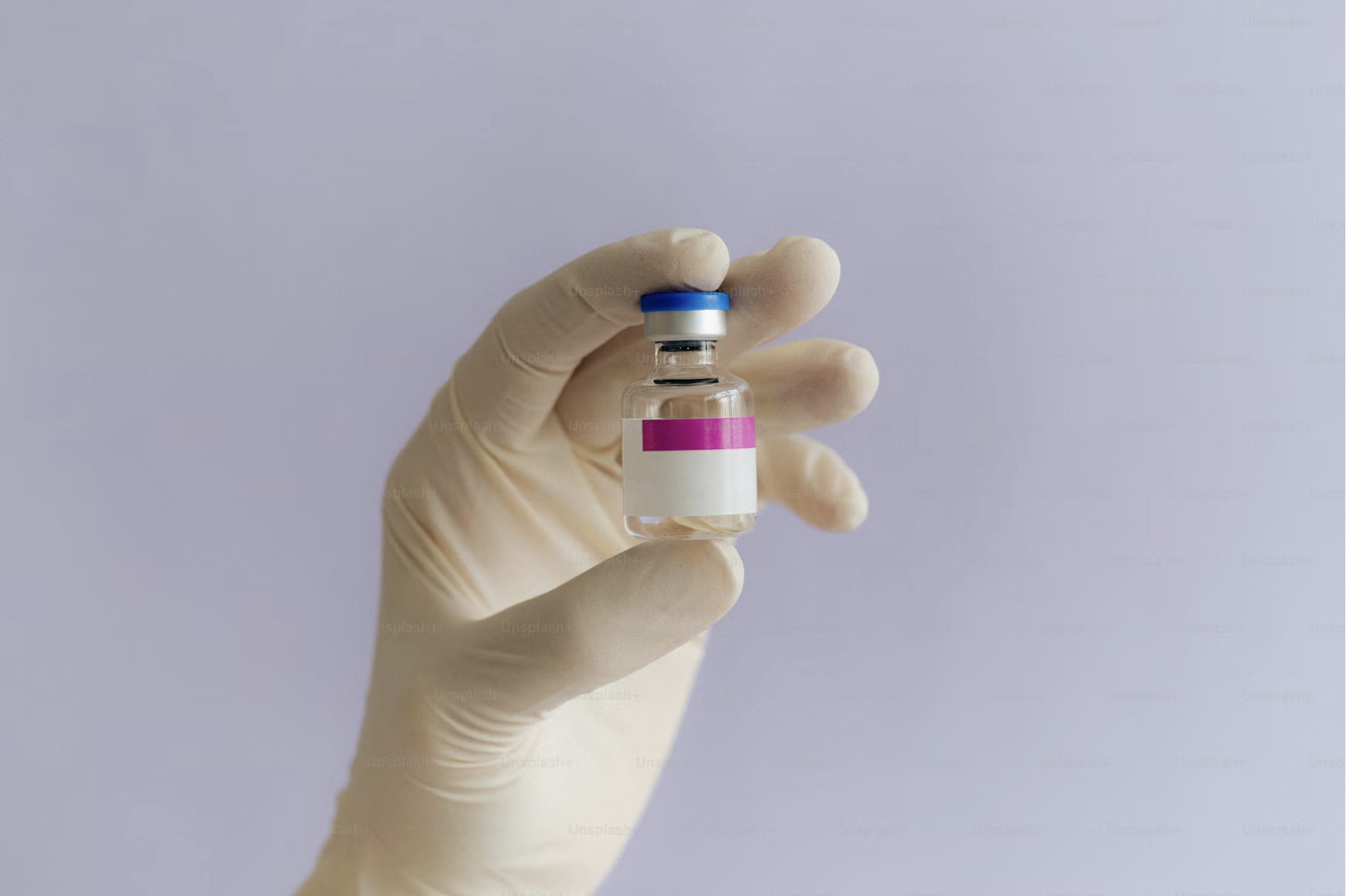
If it feels like all of a sudden that a tidal wave of talk about peptides has sprung up on Instagram and TikTok, you wouldn’t be wrong. Peptides have become the topic of the moment, and I want to speak a little more about this from a dietitian’s perspective. What are they? Do their claims have any backing to them? Are they worth your time and money?
Let’s dive in.
Firstly, what even are peptides?
Peptides are basically short chains of amino acids (which are the building blocks of protein).
There are millions of them in the body. They essentially act as little messengers to cells, telling them what to do. They play a role in things like appetite regulation, hormone signalling, immune function, collagen production, tissue healing, and plenty more.
Peptides are very real, very natural things. Our body literally produces these to keep us functioning.
Well then, what’s the problem with the peptide trend if they’re just natural molecules?
The problem isn’t necessarily with the concept of a peptide itself (in fact, insulin is a peptide!). It’s with the industry - or lack thereof - creating and promoting these peptides that have not yet been approved for human (or even animal) use.
The peptides being advertised and sold online are unrestricted and unregulated. Their source is often unknown - as is their composition.
A similar unregulated market like peptides is that of anabolic steroids. Research done on Australian anabolic steroids showed that over 50% of the samples tested were contaminated with up to 12 different types of heavy metals, as well as other residual chemicals.
You just simply cannot know what is in there when purchasing from a black market.
And, worst of all, this disclaimer is often plastered all over websites selling these products:
“For laboratory research use only. Not for human or veterinary consumption. Not intended to diagnose, treat, cure or prevent any diseases.”
At this time, there is simply not enough data to support their usage. Although possibly worse than that is the risk taken when injecting a substance that potentially has been contaminated with very harmful substances.
Working within the health space, I understand the want and need for a quick fix. I also understand how toxic it can get online, with looks-maxing trends and the like seeming to pop off a new thing to hyper-fixate on every week.
Here’s my honest take: if something is being sold to you as a quick fix, it’s usually not addressing the actual problem, and it’s probably too good to be true.
Good health and nutrition comes down to these simple things:
Eating well
Staying hydrated
Movement
Adequate sleep
Stress management
Community and connection
As boring as these things may seem, they are completely safe, effective and actually backed by real science - and that’s what you deserve to trust your mind and body with. At the end of the day, we only get one.